What’s Next for Financial Services Technology in 2026 — Why Security and Resilience Must Lead
December 30, 2025
Inside the Underground Economy: A Practitioner’s Perspective
April 8, 2026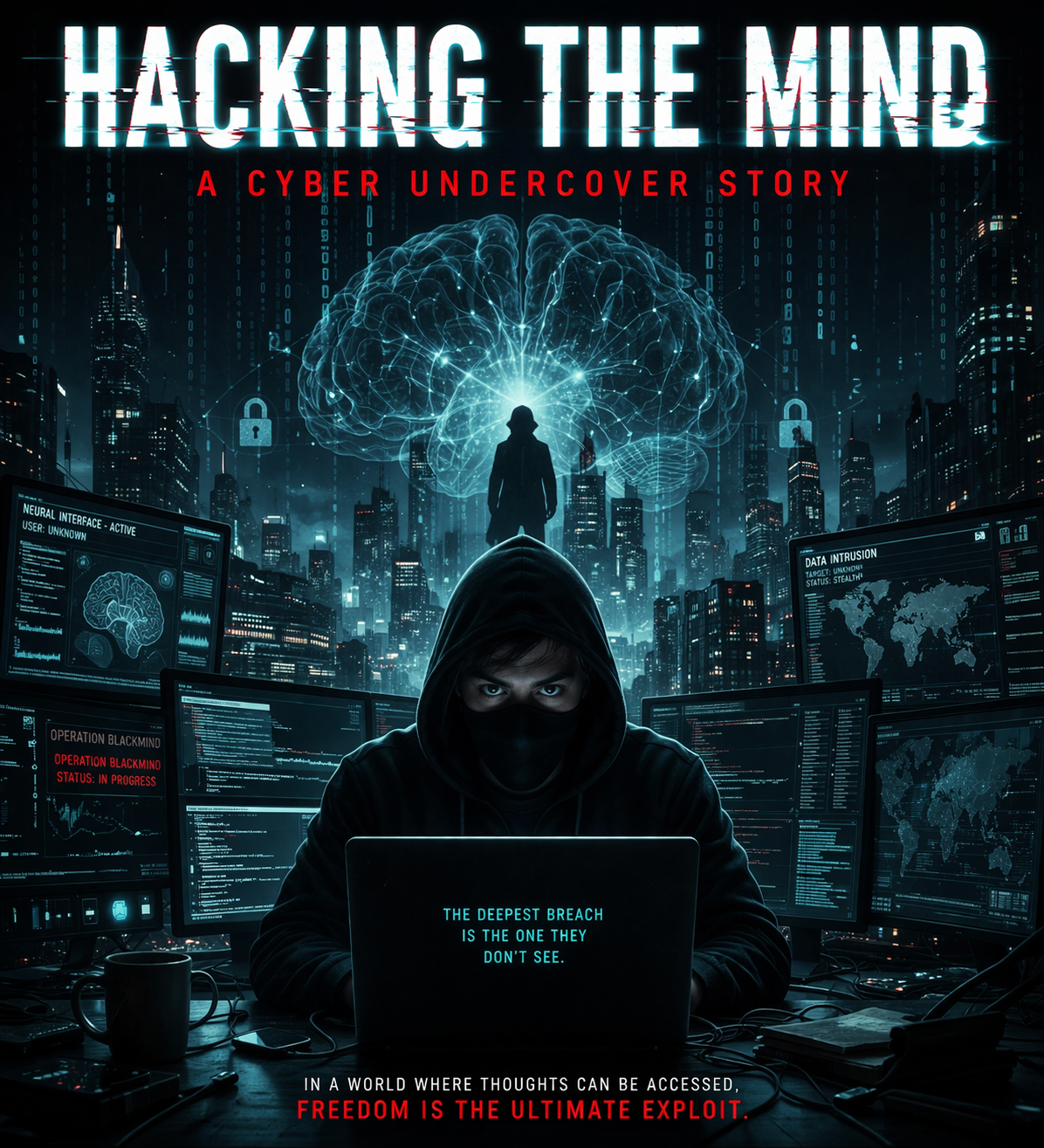
Hacking the Mind: Lessons from Going Undercover in Cybercrime
I recently joined The Audit podcast to discuss what it really takes to operate undercover inside international cybercriminal networks.
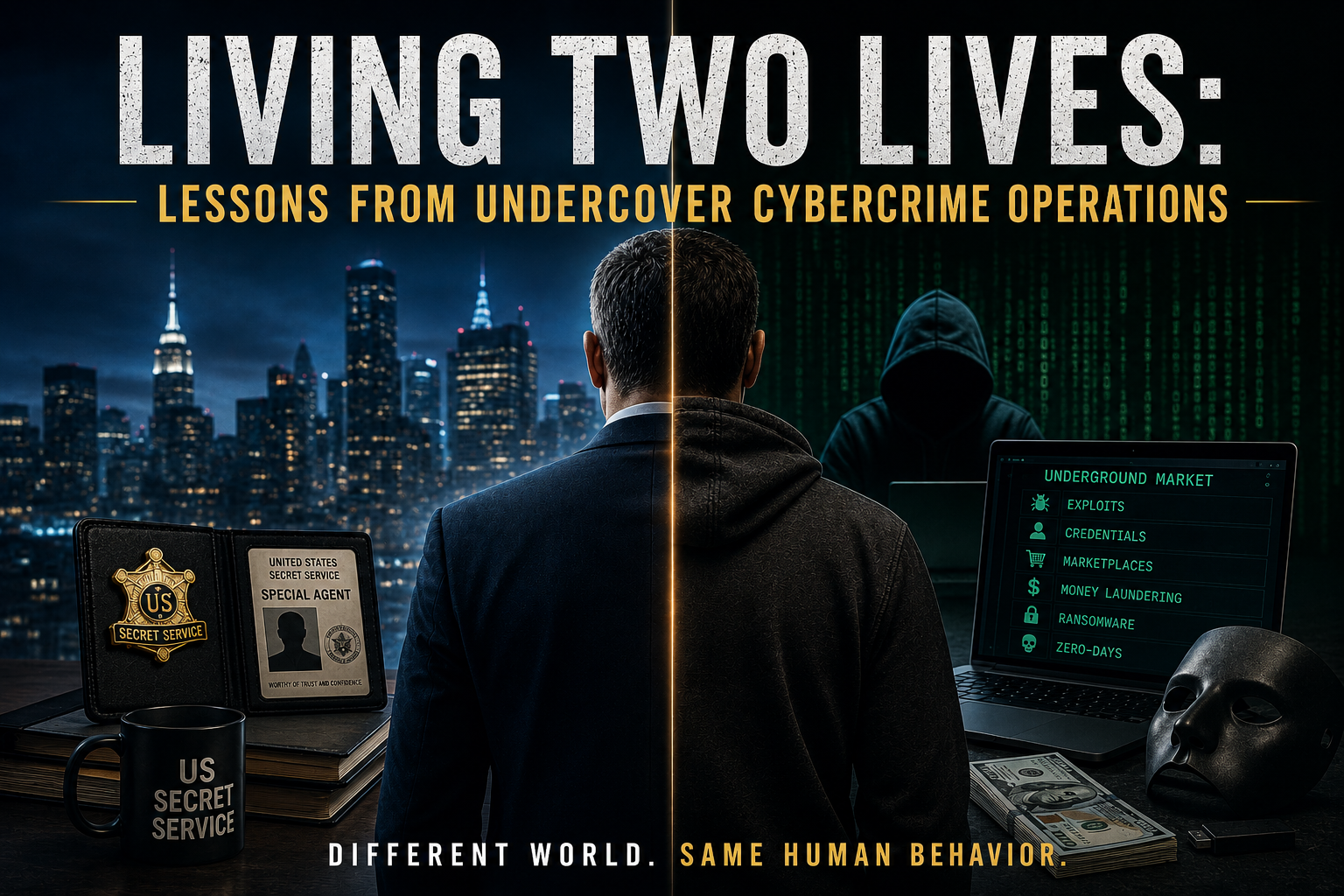
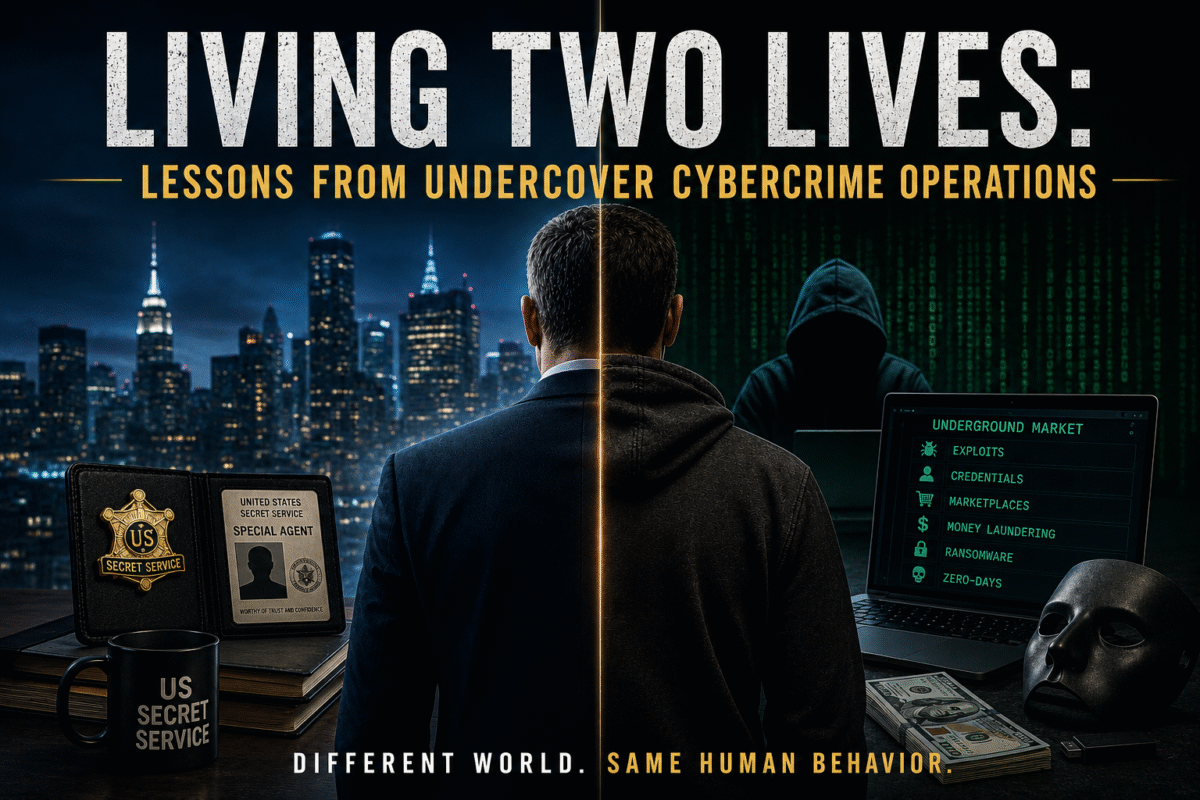
For three years, I worked across Thailand, Dubai, Macau, and China—engaging directly with actors trading stolen credit card data and operating within highly structured, trust-based ecosystems.
One key takeaway: cybercrime is not chaotic. It’s organized, disciplined, and often faster than traditional security responses.
We also explored the human element. Employees are both the strongest line of defense and the most consistent attack vector. Understanding behavior and social engineering isn’t optional—it’s essential.
Another critical distinction is between financially motivated actors and nation-state operations. The SolarWinds attack reinforced how patient and strategic nation-state actors can be, often operating undetected for extended periods.
The broader point is this: cybersecurity should not be viewed as a cost center. When driven by intelligence, it becomes a business enabler—reducing uncertainty and strengthening resilience.
If you’re responsible for security or risk, this isn’t theoretical. It’s how adversaries actually operate.
#Cybersecurity #CyberLeadership #ThreatIntelligence #SocialEngineering #CyberCrime
Watch the Episode